Dotted Vertical Line Collection Thick: Integrating Structured Visual Elements into Professional Design Workflows
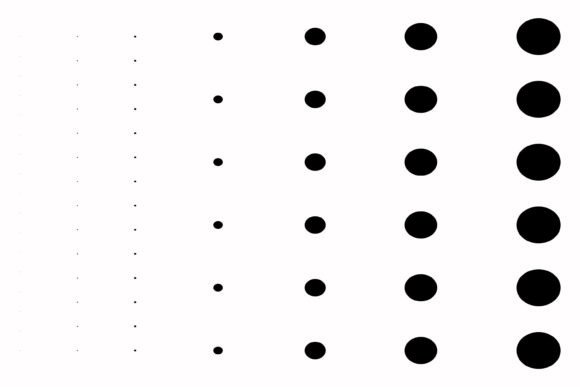
In the realm of graphic design and digital content creation, structure is often as important as aesthetics. While bold headlines and vibrant images capture immediate attention, it is the subtle structural elements that guide the eye, organize information, and create a sense of order. The Dotted Vertical Line Collection Thick represents a specialized set of assets designed to fulfill this exact need. These are not merely decorative afterthoughts; they are functional design components that help professionals establish rhythm, separation, and visual hierarchy in their projects. For designers, marketers, and business owners who value precision and clarity, understanding how to integrate these assets can significantly elevate the quality of final deliverables.
The Role of Structural Assets in Modern Design
Many creators overlook the power of lines, viewing them as basic or utilitarian. However, a well-placed vertical divider can transform a cluttered layout into a clean, professional composition. The Dotted Vertical Line Collection Thick offers a unique aesthetic that balances rigidity with approachability. Unlike solid lines, which can feel harsh or restrictive, dotted lines suggest continuity and connection while still providing clear separation. This makes them particularly effective in business designs where the goal is to appear organized yet accessible.
When planning a new project, whether it is a corporate report, a website interface, or a social media campaign, considering your structural assets early in the process is crucial. Integrating these lines during the wireframing or initial layout phase ensures that your content has a defined skeleton. This proactive approach prevents the common issue of trying to force alignment tools to do the work of dedicated graphic elements later in the production cycle. By having a reliable collection of high-quality line art ready, you streamline the decision-making process and maintain consistency across different pages or screens.
Technical Specifications and Workflow Compatibility
One of the primary concerns for any professional integrating new assets into their workflow is compatibility and quality. The Dotted Vertical Line Collection Thick is engineered to meet rigorous technical standards, ensuring it fits seamlessly into various design environments. The collection includes seven PNG files at 300 DPI, which is the industry standard for high-resolution print and crisp digital display. This resolution ensures that when these lines are used in printed brochures, business cards, or high-end packaging, they remain sharp and free from pixelation.
For web designers and UI/UX specialists, the inclusion of seven SVG files is invaluable. Scalable Vector Graphics allow for infinite resizing without any loss of quality, making them perfect for responsive designs that must adapt to different screen sizes. Whether you are designing for a mobile device or a large desktop monitor, these vectors ensure that the thickness and spacing of the dots remain consistent. Furthermore, the availability of both vertical and horizontal orientations in the SVG format provides flexibility, allowing you to repurpose the same asset for different layout needs without searching for additional resources.
For those working in professional illustration or print production software, the collection includes one EPS file and one AI (Adobe Illustrator) file containing all designs. These formats are essential for users who need to edit the anchor points, adjust the stroke weight, or change the color profile to match specific brand guidelines. Having the source files means you are not limited to the preset appearances; you can customize the lines to fit the exact tonal requirements of your project. Additionally, the included JPG file serves as a quick-reference preview, allowing for fast visual identification of the specific style needed without opening heavy design software.
Practical Applications in Business and Marketing
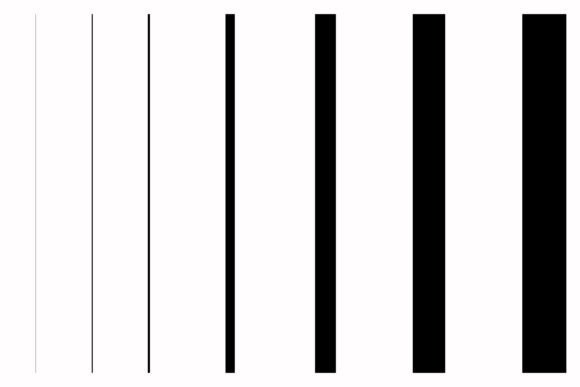
The versatility of the Dotted Vertical Line Collection Thick extends across numerous business applications. In corporate presentations, these lines can be used to separate key metrics from explanatory text, creating a clean division that helps audiences process information more efficiently. When designing infographics, vertical dotted lines can serve as timelines or connectors between related data points, guiding the viewer’s eye through a narrative sequence. This is particularly useful for educators and trainers who need to present complex processes in a digestible format.
For entrepreneurs and small business owners creating their own marketing materials, these assets offer a shortcut to professional-grade design. Instead of spending hours drawing custom dividers or relying on generic clipart, you can deploy these pre-made, high-quality elements instantly. This efficiency is critical when working under tight deadlines. For example, when launching a new product, you might need to create a series of social media posts, email newsletters, and landing pages. Using a consistent set of dotted lines across all these channels reinforces brand identity and creates a cohesive visual experience for the customer.
Bloggers and publishers can also benefit significantly from this collection. In long-form articles, breaking up text with subtle visual cues improves readability and reduces bounce rates. A thick dotted vertical line can be used as a sidebar separator, distinguishing main content from supplementary information such as author bios, related links, or advertisements. This structural clarity enhances the user experience, making the content feel more organized and trustworthy.
Integration Tips for Maximum Efficiency
To get the most out of the Dotted Vertical Line Collection Thick, it is helpful to adopt a systematic approach to asset management. Start by organizing the files in a dedicated folder within your project directory. Label the PNG, SVG, EPS, and AI files clearly so that team members can easily locate the format they need. If you are working in a team environment, consider creating a shared library or style guide that specifies when and how these lines should be used. This ensures consistency across all outputs and prevents individual designers from creating ad-hoc solutions that may clash with the overall design language.
When using the PNG files, pay attention to transparency settings. Ensure that your background layers are compatible with the transparent backgrounds of the PNGs to avoid unwanted white boxes around the lines. For the SVG and AI files, take advantage of layer management. Keep the line elements on separate layers from your text and images. This non-destructive workflow allows you to make adjustments to the positioning or styling of the lines without affecting other elements of your design. It also makes future edits easier, as you can quickly toggle visibility or modify attributes without redoing the entire layout.
Consider the psychological impact of the "thick" aspect of these lines. Thicker lines convey strength, stability, and importance. Use them to highlight critical sections or to frame key messages. Conversely, if a section feels too heavy, you might adjust the opacity or color of the line to soften its presence while maintaining its structural function. Experimentation is key; try different colors and opacities to see how the lines interact with your specific color palette. The goal is to achieve a balance where the lines support the content without overpowering it.
Long-Term Value and Quality Control
Investing in high-quality design assets like the Dotted Vertical Line Collection Thick is a decision that pays dividends over time. Unlike free, low-resolution alternatives that may need to be replaced as project requirements evolve, these professional-grade files are built to last. The 300 DPI resolution ensures they remain relevant even as print standards advance, and the vector formats guarantee compatibility with future software updates. This longevity reduces the need for constant asset hunting and replacement, freeing up valuable time for creative work.
Quality control is another area where this collection excels. Because the files are professionally created, you can trust that the spacing of the dots is uniform and the lines are perfectly straight. This level of precision is difficult to achieve manually and is essential for maintaining a polished, professional appearance. Inconsistent or jagged lines can subtly undermine the credibility of a design, signaling a lack of attention to detail. By using standardized, high-quality assets, you eliminate this risk and ensure that every project meets a high standard of excellence.
Ultimately, the Dotted Vertical Line Collection Thick is more than just a set of icons; it is a tool for enhancing clarity, efficiency, and professionalism in your design workflow. Whether you are a seasoned designer looking to streamline your process or a business owner aiming to elevate your brand’s visual identity, these assets provide the structural foundation needed to create compelling, organized, and impactful designs. By integrating them thoughtfully into your projects, you can achieve a level of polish and coherence that resonates with your audience and supports your broader business goals.