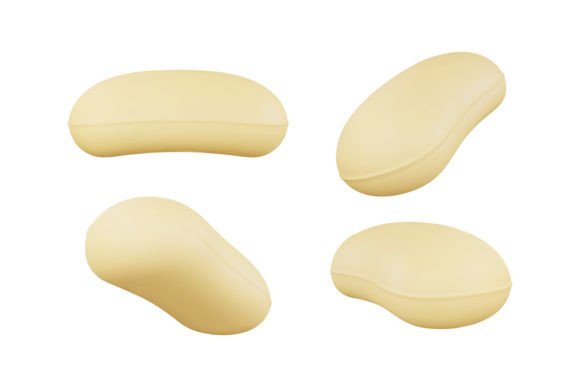
Evaluating the Realistic 3D Soap Vector Icon for Design Projects
In the evolving landscape of digital design, the demand for high-quality, versatile assets continues to grow. Among these assets, the Realistic 3D Soap Vector Icon has emerged as a specific yet valuable resource for designers working on hygiene, beauty, and wellness-themed projects. This article provides an objective evaluation of this asset, detailing what it offers, its technical specifications, and the practical considerations necessary to determine if it aligns with your current design requirements.
Understanding the Asset
The Realistic 3D Soap Vector Icon is a digital illustration designed to mimic the appearance of three-dimensional soap bars while maintaining the scalability and editability inherent to vector graphics. Unlike standard flat icons, this asset utilizes shading, highlights, and perspective to create depth, making it visually engaging without sacrificing the flexibility required for professional design workflows.
When you acquire this resource, you typically receive two primary file formats: one EPS 10 file and one JPG file. The EPS 10 format is industry-standard for vector graphics, ensuring compatibility with a wide range of design software. The JPG file serves as a ready-to-use raster image for quick previews or applications where vector editing is not required.
Key Features and Technical Specifications
To evaluate whether this icon fits your project, it is essential to understand its core features. The asset is marketed as a 100% vector file, which is a critical distinction in digital design. Here are the primary characteristics:
- High-Quality Vector Illustrations: The lines and curves are mathematically defined, ensuring crisp edges at any resolution.
- Scalable to Any Size: Whether used for a small mobile app icon or a large billboard, the image retains its clarity without pixelation.
- Easy to Use: The file structure is organized to facilitate immediate integration into existing design layouts.
The inclusion of the EPS 10 format is particularly significant. EPS (Encapsulated PostScript) version 10 is widely supported by older and newer versions of design software, providing a balance between modern features and broad compatibility. This ensures that designers using various tools can access and manipulate the file without encountering version conflicts.
Benefits of Using Realistic 3D Soap Vector Icons
There are several reasons why a designer might choose this specific type of icon over alternatives. The primary benefit is versatility. Because the asset is vector-based, it can be resized infinitely without loss of quality. This is crucial for responsive web design, where icons must look sharp on both high-density retina displays and standard screens.
Another advantage is customizability. Since the elements are separate and editable, designers can adjust colors, shapes, and details to match specific brand guidelines. For instance, if a brand uses a unique shade of blue for its packaging, the soap icon can be easily recolored to maintain visual consistency. This level of control is not possible with static raster images like PNGs or JPEGs unless they are high-resolution and even then, editing is limited.
Furthermore, the realistic 3D style adds a layer of sophistication and tangibility to digital interfaces. In industries such as cosmetics, personal care, and cleaning products, conveying a sense of cleanliness and quality is paramount. A realistic icon can evoke these associations more effectively than a abstract or flat symbol, potentially enhancing user engagement and trust.
Considerations and Tradeoffs
While the benefits are clear, there are tradeoffs to consider. The most notable consideration is the technical skill required. To fully leverage the advantages of the EPS 10 file, users must be proficient in vector editing software such as Adobe Illustrator or Corel Draw. If you want to edit something, separate elements, or remove something, you must use a vector editor. Users unfamiliar with these tools may find the file difficult to modify, limiting its utility to simple placement rather than customization.
Additionally, the realistic 3D style may not suit all design aesthetics. Minimalist or flat design trends, which prioritize simplicity and speed of recognition, might clash with the detailed shading and depth of a 3D icon. Designers should evaluate their overall visual language before integrating this asset to ensure it complements rather than distracts from the user experience.
File size is another minor consideration. While vector files are generally lightweight, complex 3D illustrations with numerous anchor points can be larger than simple flat icons. However, for most modern web and print applications, this difference is negligible and rarely impacts performance significantly.
Ideal Use Cases
The Realistic 3D Soap Vector Icon is a strong fit for specific scenarios:
- Product Packaging Design: When creating labels or boxes for soap, shampoo, or detergent products, a realistic icon can serve as a central visual element or a supplementary graphic.
- E-commerce Websites: Online stores selling personal care items can use these icons to categorize products or highlight features such as "moisturizing" or "natural ingredients."
- Marketing Materials: Brochures, flyers, and social media posts for spas, salons, or cleaning services can benefit from the high-quality, professional appearance of 3D icons.
- Mobile Applications: Apps related to health, hygiene, or shopping can use these icons for buttons, badges, or instructional graphics.
In these contexts, the ability to scale the icon and adjust its colors ensures that it remains effective across various mediums and campaign iterations.
When to Consider Alternatives
Despite its advantages, this asset may not be the best choice for every project. Consider alternatives if:
- You lack vector editing skills: If you cannot use Adobe Illustrator or similar software, a pre-rendered PNG with a transparent background might be more practical, though less flexible.
- Your design style is strictly minimalist: Flat or line-art icons may better align with a clean, modern aesthetic that avoids realistic textures and shadows.
- You need immediate, no-edit usage: If the project timeline is extremely tight and no customization is needed, a ready-made raster image might save time, although the JPG provided with this asset does offer a quick solution.
Making the Decision
To determine if the Realistic 3D Soap Vector Icon is right for you, assess your technical capabilities and design goals. If you require a high-quality, scalable asset that can be customized to fit specific brand colors and styles, and you have access to vector editing software, this resource offers significant value. The combination of EPS 10 and JPG files provides both flexibility and convenience.
However, if your project demands a simpler aesthetic or if you do not have the tools to edit vector files, you may find limited utility in this asset. Always preview the JPG file to ensure the visual style matches your expectations before committing to the vector edition for extensive work.
In conclusion, the Realistic 3D Soap Vector Icon is a specialized tool that excels in contexts requiring realism, scalability, and customizability. By understanding its features and limitations, designers can make informed decisions that enhance their projects' visual appeal and functional effectiveness.