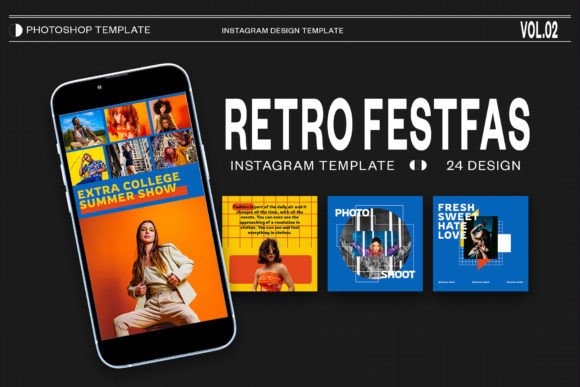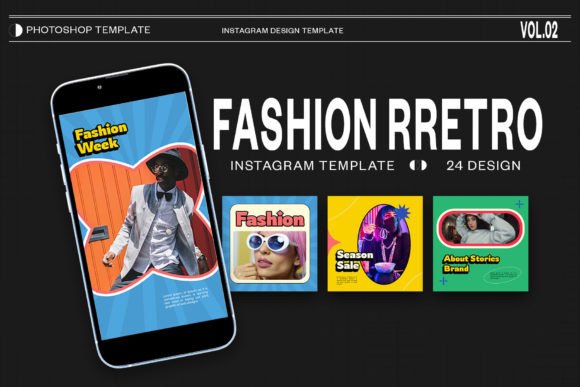
Mastering the Fashion Retro Instagram Photoshop Aesthetic for Professional Results
The visual language of social media has shifted dramatically over the last decade. Where once bright, hyper-saturated feeds dominated, there is now a profound appreciation for nostalgia. The Fashion Retro Instagram Photoshop aesthetic captures this sentiment, blending vintage textures, muted color palettes, and classic typography to create content that feels both timeless and trendy. For creators, marketers, and small business owners, leveraging this style is not just about following a trend; it is about establishing a distinct brand identity that stands out in a crowded digital landscape.
However, achieving this look requires more than simply applying a filter. Many users struggle with inconsistency, poor image quality, or inefficient workflows. By understanding the technical nuances of high-quality templates and smart editing practices, you can elevate your content from amateur snapshots to professional-grade visual storytelling.
Understanding the Value of High-Quality Templates
When searching for resources to enhance your feed, you will encounter countless options. A premium Fashion Retro Instagram Photoshop template, such as a well-structured PSD file, offers significant advantages over free, low-resolution alternatives. These files are typically designed with specific technical standards in mind, ensuring that your final output looks crisp on high-density displays.
One critical aspect often overlooked is resolution. Professional templates are usually created at 300 dpi (dots per inch). While screens traditionally display at 72 dpi, starting with a higher resolution allows for greater flexibility. If you ever decide to repurpose your Instagram graphics for print materials, such as flyers or business cards, a 300 dpi source file ensures that your images remain sharp and free of pixelation. Additionally, working in the RGB color mode is essential for digital platforms, as it ensures that the colors you see on your monitor match what your audience sees on their devices.
Common Mistakes in Workflow and Execution
Even with the right tools, many creators fall into traps that hinder their efficiency and degrade the quality of their work. Recognizing these pitfalls early can save you hours of frustration and result in a more polished final product.
Ignoring Smart Object Functionality
The most powerful feature of a professional PSD template is the use of Smart Objects. A common mistake among beginners is rasterizing layers immediately upon opening the file. This action permanently flattens the image data, making it impossible to resize or adjust the image later without losing quality.
To avoid this, always look for layers marked as Smart Objects. The process is straightforward: double-click on the image layer thumbnail. This action opens a separate window where you can place your own photograph. Once you have positioned your image, save the file using CTRL + S (or Command + S on Mac). The main document will update automatically, preserving the original resolution and allowing for non-destructive editing. This method ensures that your fashion photos retain their clarity, regardless of how much you scale them within the retro frame.
Neglecting Aspect Ratio Standards
Instagram supports various formats, but consistency is key to a cohesive grid. Many users mistakenly upload images that are cropped incorrectly, leading to awkward white bars or truncated subjects. A versatile template should offer multiple size options, typically including 1080 x 1080 px for square posts and 1920 x 1080 px for stories or reels covers.
Failing to check these dimensions before exporting can result in compression artifacts when Instagram processes your upload. Always verify that your canvas size matches the intended platform requirement. If you are creating a story, ensure that critical text and focal points are centered, as UI elements like the profile icon and reply bar can obscure content at the edges.
Overlooking Text Editability
Retro aesthetics often rely heavily on typography to convey mood. A frequent error is treating text as a static image rather than an editable element. High-quality templates come with all text editable via the text tool. This allows you to customize headlines, dates, and captions to fit your specific campaign.
Some users attempt to cover existing text with shapes or paint over it, which creates messy layers and makes future edits difficult. Instead, use the Type Tool to select the existing text layer and simply type your new content. This preserves the font styling, kerning, and effects chosen by the designer, ensuring that the typographic hierarchy remains balanced and visually appealing.
How to Evaluate and Choose the Right Resources
Before downloading or purchasing a Fashion Retro Instagram Photoshop kit, take a moment to evaluate its suitability for your needs. Not all templates are created equal, and a little due diligence can prevent compatibility issues.
- Check Layer Organization: Open the preview or description to ensure layers are grouped logically. Well-organized files save time and reduce confusion during the editing process.
- Verify Font Inclusion: Some templates require specific fonts that may not be installed on your system. Check if the download includes font files or links to free alternatives to maintain the intended design integrity.
- Assess Color Modes: Ensure the file is set to RGB. Files intended for print might be in CMYK, which can cause color shifts when viewed on screens.
- Review License Terms: Understand whether the template is for personal or commercial use. If you are a freelancer or agency creating content for clients, you need a license that permits commercial application.
Practical Tips for Enhancing Your Retro Aesthetic
Once you have mastered the technical setup, focus on the artistic elements that define the retro look. The goal is to evoke emotion and nostalgia without appearing dated or cluttered.
Start by selecting images that complement the vintage vibe. Photos with natural lighting, soft shadows, and candid poses often work better than highly staged, studio-lit shots. When placing your image into the Smart Object, consider adjusting the opacity or blending modes slightly to integrate it with the background textures. This subtle integration helps the photo feel like part of the design rather than just pasted on top.
Furthermore, pay attention to color grading. Retro styles often feature warm tones, faded blacks, or grainy textures. Use adjustment layers in Photoshop to tweak the hue and saturation, ensuring your photo harmonizes with the template’s color palette. Consistency across your feed is crucial; try to use similar color adjustments for all your posts to create a recognizable brand signature.
Final Thoughts on Efficient Content Creation
Creating stunning social media content does not have to be a time-consuming ordeal. By utilizing a well-designed Fashion Retro Instagram Photoshop template, you streamline the creative process. The key lies in respecting the technical structure of the file—using Smart Objects, maintaining correct resolutions, and leveraging editable text features.
Avoid the temptation to cut corners by ignoring layer structures or skipping resolution checks. These small details accumulate to define the professionalism of your brand. Whether you are a blogger sharing lifestyle tips, a fashion retailer showcasing new arrivals, or a marketer running a campaign, the quality of your visuals directly impacts audience engagement. Take the time to learn the tools, understand the specifications, and apply these best practices consistently. The result will be a cohesive, visually striking presence that resonates with your audience and stands the test of time.