Mastering Visual Communication: A Guide to High-Quality 3D Realistic Location Map Pin GPS Assets
In the modern digital landscape, visual communication is no longer just an accessory; it is the cornerstone of effective storytelling. Whether you are a graphic designer working on a travel brochure, a developer creating an intuitive user interface, or a marketer crafting social media campaigns, the tools you use define the quality of your output. One specific asset that has gained immense popularity is the 3D realistic location map pin GPS pointer marker. These elements bridge the gap between abstract data and tangible reality, making them indispensable for projects requiring clarity and aesthetic appeal.
The Evolution of Digital Mapping Icons
To understand the significance of high-quality 3D assets, we must first look at how digital mapping has evolved. In the early days of the internet, map markers were simple, flat, two-dimensional shapes—often just a red dot or a basic teardrop shape. While functional, they lacked depth and failed to engage users on an emotional level. As screen resolutions improved and design trends shifted towards realism and skeuomorphism, the demand for more sophisticated graphics grew.
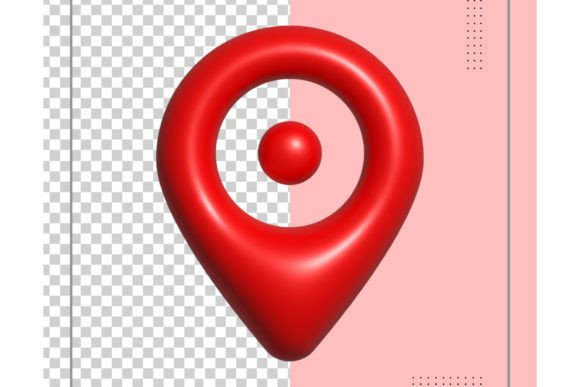
Today, a 3D realistic location map pin does more than just indicate a point on a grid. It adds texture, shadow, and perspective, creating a sense of place. This shift is not merely cosmetic; it enhances user experience by making interfaces feel more interactive and polished. When users see a high-resolution, three-dimensional marker, their brains process it as a tangible object, which can increase trust and engagement with the content being presented.
Why Quality Matters: Resolution and Rendering
When selecting digital assets, technical specifications are paramount. A common mistake among beginners is overlooking resolution and DPI (dots per inch). For professional print work or high-definition digital displays, standard web graphics often fall short. This is where assets boasting a resolution of 4500 x 3000 pixels at 300 DPI become essential.
- Clarity: High resolution ensures that edges remain crisp, even when the image is scaled up for large format printing like billboards or posters.
- Detail: 3D rendering captures subtle light reflections and shadows that give the object weight and presence.
- Versatility: A file with these specifications can be used across multiple platforms, from mobile apps to printed catalogs, without losing quality.
The term "High-Quality 3D Rendering" refers to the computational process used to generate these images. It involves simulating light behavior to create photorealistic effects. For the end-user, this means the GPS pointer markers look like physical objects placed on a surface, rather than flat stickers pasted onto a background.
Simplifying the Workflow: The Power of Smart Objects
One of the most significant barriers to entry for many creatives is the complexity of editing software. Adobe Photoshop, while powerful, can be intimidating. However, modern templates are designed with the aim of making it easier for users, prioritizing accessibility without sacrificing professional results. The key feature here is the use of Smart Object Replacement Layers.
Smart Objects are container layers that preserve an image's source content with all its original characteristics. This allows for non-destructive editing. In the context of a map pin template, this technology transforms a complicated editing process into a simple task. Here is how it typically works:
- Open the File: Load the provided PSD (Photoshop Document) into your software.
- Locate the Smart Object: These layers are usually clearly labeled and organized within the layer panel.
- Double-Click to Edit: By double-clicking the thumbnail, a new window opens containing the editable content.
- Customize: You can change colors, add logos, or adjust textures.
- Save and Update: Once you save the smart object, the changes automatically reflect in the main document.
This workflow ensures that the template is 100% very easy to edit. You do not need to be a master of lighting or 3D modeling to achieve a professional look. The heavy lifting has already been done by the creator, allowing you to focus on customization and branding.
Organization and Usability in Design Templates
Beyond the technical rendering, the structure of the file itself plays a crucial role in user experience. Well-made templates feature very organized layers. This might seem like a minor detail, but for a professional working under a deadline, finding the right layer quickly is invaluable. Poorly organized files can lead to frustration and errors, whereas a structured PSD file guides the user through the editing process logically.
Furthermore, flexibility is key. The ability to change all colors easily ensures that the asset fits seamlessly into any brand identity. Whether your project requires a vibrant yellow for a caution sign or a sleek blue for a corporate tech map, the template should accommodate these changes without breaking the realistic lighting effects. This adaptability makes the asset useful for a wide range of industries, from logistics and transportation to tourism and real estate.
Practical Applications in Modern Business and Creativity
Understanding the technical aspects is important, but knowing how to apply these tools is where true value lies. Let us explore some practical scenarios where a 3D realistic location map pin GPS asset can elevate a project:
1. Travel and Tourism Marketing
Travel agencies and bloggers often need to highlight specific destinations. Using a flat, generic icon can make a blog post or brochure look amateurish. A high-quality 3D pin placed over a stunning photograph of a beach or mountain range creates a focal point that draws the eye. It suggests adventure and precision, encouraging the viewer to imagine themselves at that location.
2. Logistics and Supply Chain Visualization
In business presentations, explaining complex delivery routes can be dry. Incorporating realistic 3D markers into infographics helps stakeholders visualize the journey of goods. The depth and realism add a layer of professionalism to reports, making the data feel more concrete and reliable.
3. App and Web Interface Design
For UI/UX designers, consistency is vital. If an app uses realistic imagery elsewhere, a flat vector icon might look out of place. A 3D rendered pin maintains visual harmony. Moreover, because these assets are high-resolution, they look sharp on Retina displays and high-DPI monitors, ensuring a premium feel for the end-user.
Clarifying Common Misconceptions
It is important to address a few common assumptions about these digital assets. First, some users believe that "realistic" means "photographed." However, these are 3D rendered objects, created digitally. This distinction is important because it means there are no copyright issues related to photographing private property or public spaces; the object is entirely synthetic and licensed for use.
Second, buyers often assume that all images seen in the preview are included in the download. It is crucial to note that all images that are not included are examples for presentation purposes only. Typically, the download includes the PSD file and a JPG preview. The background scenes, maps, or other contextual elements are placeholders to show you how the pin looks in situ. You are expected to place the pin onto your own unique backgrounds.
Conclusion: Elevating Your Design Toolkit
In conclusion, integrating 3D realistic location map pin GPS pointer markers into your design workflow is a strategic move towards higher quality output. By leveraging files that offer high-resolution rendering, organized smart objects, and easy color customization, you save time while enhancing the visual impact of your work. These tools democratize high-end design, allowing beginners to produce professional-grade visuals with just a few clicks.
As you continue to explore digital assets, remember that the right tools empower creativity. They remove technical barriers, allowing you to focus on the message you want to convey. We hope this guide has helped you understand the value and functionality of these resources. Thanks for Download, and we encourage you to explore further. And also see my other works; maybe you like it too. Expanding your library with versatile, high-quality assets will undoubtedly benefit your future projects, whether they are personal, educational, or commercial.