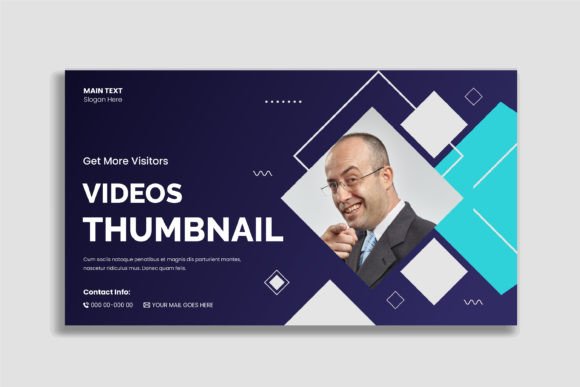
Video Thumbnail Design for Opening Video: Elevating First Impressions in a Digital World
In the crowded landscape of digital content, the first few seconds determine whether a viewer stays or scrolls away. While video quality and audio clarity are essential, the static image that represents your content—the thumbnail—acts as the primary gatekeeper. Video Thumbnail Design for Opening Video is not merely an aesthetic choice; it is a strategic component of user engagement and conversion. Whether you are launching a new product, hosting a live workshop, or publishing educational tutorials, the visual hook you present can significantly influence click-through rates and audience retention.
The relevance of high-quality thumbnail design has grown exponentially as consumer habits shift toward rapid consumption. Modern audiences scan feeds at incredible speeds, making split-second decisions based on visual cues. A well-crafted thumbnail communicates value, tone, and professionalism before a single frame of video plays. For professionals, entrepreneurs, and educators, mastering this element is no longer optional—it is a fundamental skill in digital communication.
The Evolution of Visual Expectations
Historically, thumbnails were often afterthoughts, automatically generated by platforms from random frames within a video. This approach frequently resulted in blurry, unflattering, or confusing images that failed to capture the essence of the content. Today, user expectations have matured. Viewers associate polished, custom-designed thumbnails with high-value content. This shift reflects a broader trend in digital marketing where visual consistency and brand identity are paramount.
The evolution is driven by several factors. First, the saturation of content means that standing out requires more than just good titles; it demands compelling visuals. Second, the rise of mobile viewing has changed how images are perceived. Small screens require bold typography, high contrast, and clear focal points to be effective. Third, the professionalization of creator economies has raised the bar. Audiences now expect the same level of production value from independent creators and small businesses as they do from major media outlets.
This changing landscape has led to a greater emphasis on intentional design. Creators and businesses are moving away from generic snapshots toward curated graphics that tell a story. This includes using consistent color palettes, recognizable branding elements, and clear textual hints about the video’s content. The goal is to create a visual promise that the video delivers on, building trust and encouraging long-term loyalty.
Strategic Importance for Tutorials and Educational Content
When it comes to video thumbnail design for opening video tutorials, clarity is king. Educational content serves a specific purpose: to teach or inform. Therefore, the thumbnail must immediately signal what the viewer will learn. Ambiguity here leads to higher bounce rates, as users who click expecting one topic but find another will leave quickly, signaling to algorithms that the content is irrelevant.
Effective tutorial thumbnails often feature a combination of human expression and contextual imagery. For instance, a coding tutorial might show a developer looking confidently at a screen with code snippets overlaid, while a cooking tutorial might display a finished dish alongside the chef. The key is to balance information with intrigue. Too much text clutters the image, while too little fails to communicate the value proposition.
Moreover, series-based tutorials benefit from consistent thumbnail templates. This creates a visual library that viewers can easily navigate. If a user enjoys one video in a series, they are more likely to explore others if the thumbnails share a cohesive design language. This consistency reinforces brand recognition and makes the content feel organized and professional. For educators and online course creators, this structural approach can significantly boost completion rates and student satisfaction.
Customizable Assets for Live Workshops and Webinars
Live events, such as workshops and webinars, operate under different dynamics than pre-recorded content. The stakes are higher because the event happens in real-time, and registration often depends on early promotional materials. Here, the concept of a customizable thumbnail for live workshop business and webinar becomes critical. These assets serve dual purposes: attracting registrants during the promotion phase and setting the stage during the live broadcast.
For live events, flexibility is essential. Dates, times, and speaker names may change, requiring quick updates to promotional graphics. Using scalable vector formats, such as the File - eps standard, allows designers and marketers to modify text and elements without losing quality. EPS files ensure that whether the thumbnail is displayed on a small social media post or a large banner ad, the resolution remains crisp and professional.
Furthermore, live workshop thumbnails should convey urgency and exclusivity. Elements like "Live Now" badges, countdown timers, or limited-seat indicators can drive immediate action. The design should also highlight the host or key speakers, leveraging their authority and recognition to build credibility. In a business context, this translates to higher attendance rates and better engagement during the session. A well-designed thumbnail acts as a digital invitation, signaling that the event is worth the participant’s time.
Practical Implications for Creators and Businesses
Integrating thoughtful thumbnail design into your workflow offers tangible benefits. For freelancers and small business owners, it enhances perceived value. A polished thumbnail suggests that the content behind it is equally well-produced, justifying premium pricing for courses or services. For marketers, it improves campaign performance. Higher click-through rates lead to better organic reach on platforms like YouTube and LinkedIn, reducing the cost per acquisition for paid promotions.
From a creative standpoint, adopting a standardized process for thumbnail creation saves time. By developing reusable templates and asset libraries, teams can produce high-quality graphics efficiently. This is particularly important for those managing multiple channels or frequent content releases. The ability to quickly adapt a master template for different topics ensures consistency while allowing for creative variation.
Additionally, accessible design practices should be considered. High-contrast colors and legible fonts ensure that thumbnails are readable for users with visual impairments or those viewing in bright outdoor conditions. This inclusivity not only broadens your audience but also aligns with modern ethical standards in digital design.
Best Practices for Implementation
To maximize the impact of your video thumbnails, consider the following actionable recommendations:
- Prioritize Readability: Use large, bold fonts for any text included in the thumbnail. Limit text to three to five words to maintain clarity on small screens.
- Use High-Contrast Colors: Ensure that the subject stands out against the background. Bright accents can draw the eye to key elements, such as a face or a product.
- Maintain Brand Consistency: Incorporate your logo, brand colors, or specific stylistic elements to make your content instantly recognizable across platforms.
- Test and Iterate: Use A/B testing tools where available to compare different thumbnail designs. Analyze which versions yield higher click-through rates and refine your approach accordingly.
- Leverage Vector Formats: When designing customizable assets for webinars or workshops, start with vector files like EPS. This ensures scalability and ease of editing for future events.
By treating Video Thumbnail Design for Opening Video as a core component of your content strategy, you invest in the long-term success of your digital presence. It is a small detail with outsized influence, bridging the gap between creation and consumption. As technology evolves and user behaviors continue to shift, the principles of clear, compelling, and consistent visual communication will remain central to engaging audiences effectively.
Ultimately, the goal is not just to get a click, but to start a meaningful interaction. A well-designed thumbnail respects the viewer’s time by accurately representing the content and inviting them into a valuable experience. Whether you are teaching a skill, hosting a live event, or sharing insights, taking the time to craft the perfect visual introduction pays dividends in engagement, trust, and growth.